Short-term reversal: Proven strategies for market recovery

short-term reversal is a topic of great interest among investors today. As the Nifty halts its losing streak, many are wondering if a reversal is on the horizon.
Understanding the Nifty’s Recent Performance
The Nifty index has recently shown signs of resilience, halting its losing streak after a challenging period. Market analysts are closely monitoring this development to assess the potential for a short-term reversal in investor sentiment.
Several factors have contributed to the Nifty’s recent performance:
- Positive economic indicators: Recent data suggests a rebound in key sectors, fueling optimism among traders.
- Global market trends: Recovery in international markets has provided a supportive backdrop for the Nifty’s performance.
- Policy measures: Government initiatives aimed at boosting economic growth have instilled confidence among investors.
Despite these positive signs, experts caution against premature conclusions. The market remains volatile, and a sustained recovery will depend on various factors, including global economic conditions and domestic policy effectiveness. The possibility of a short-term reversal could hinge on how these elements play out in the coming weeks. Investors are advised to remain vigilant and informed as they navigate this uncertain landscape.
Factors Influencing Market Reversals
Several factors can significantly influence market reversals, particularly in the context of short-term recovery. Understanding these elements is crucial for investors seeking to anticipate potential changes in market trends.
- Economic Indicators: Key economic data, such as GDP growth rates and employment figures, often affect investor sentiment. Positive indicators can lead to a short-term reversal in market trends.
- Market Sentiment: The emotional response of investors plays a vital role. A shift in sentiment can prompt buying activity following a period of decline, facilitating a market turnaround.
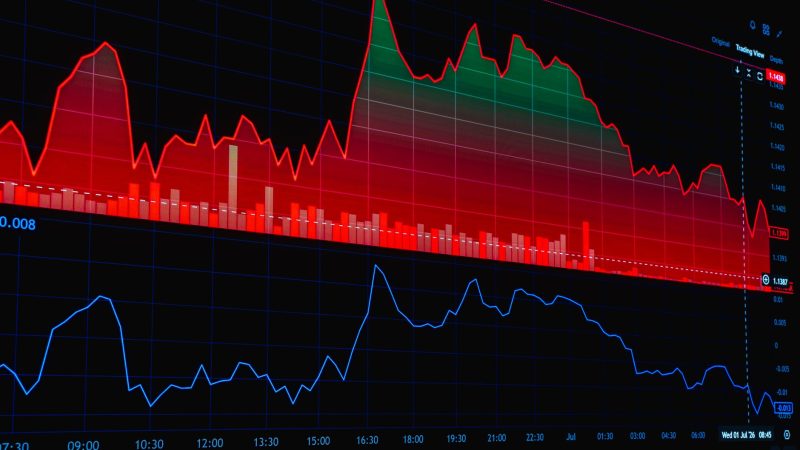
- Technical Analysis: Many traders rely on charts and patterns to predict reversals. Specific signals, such as support and resistance levels, can indicate a potential short-term reversal.
- Global Events: Geopolitical situations or international economic changes can impact domestic markets, sometimes catalyzing a reversal as traders react to new information.
- Policy Changes: Decisions from central banks or government policies can also create an environment conducive to short-term recovery, influencing market dynamics.
Recognizing these factors can help traders make informed decisions during volatile periods.
Analyzing Investor Sentiment
Investor sentiment plays a crucial role in shaping market dynamics, especially during periods of volatility. Recent trends indicate that a short-term reversal may be on the horizon for the Nifty, as traders and investors assess their positions. Understanding how sentiment shifts can provide insights into potential market movements.
Several factors contribute to the current mood among investors:
- Market News: Positive developments in economic indicators and corporate earnings reports can boost confidence.
- Technical Analysis: Many traders rely on charts and patterns to gauge the market’s direction, often leading to self-fulfilling prophecies.
- Global Influences: International market trends and geopolitical events can significantly sway local investor sentiment.
- Behavioral Factors: Fear and greed often dictate investor decisions, affecting buying and selling patterns.
As the Nifty attempts to halt its losing streak, monitoring shifts in investor sentiment will be essential. Understanding these sentiments not only aids in predicting a potential short-term reversal but also helps investors navigate the complexities of market recovery.
Technical Indicators to Watch
As investors look for signs of a potential short-term reversal in the market, certain technical indicators can provide valuable insights. Monitoring these indicators can help traders make informed decisions during volatile periods.
Key technical indicators to watch include:
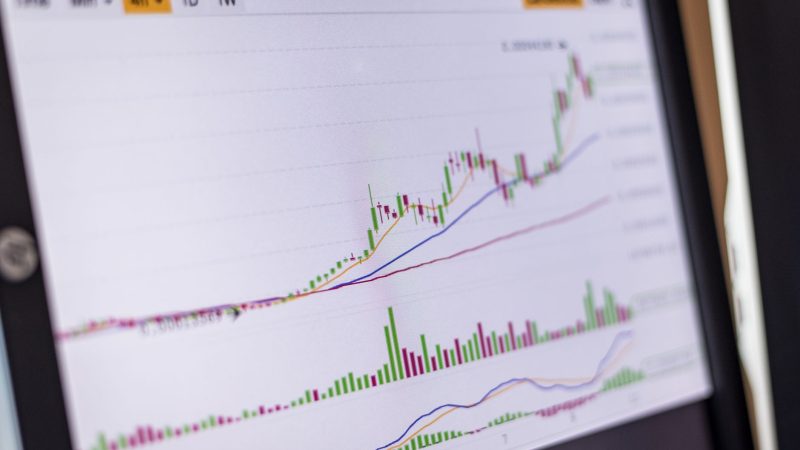
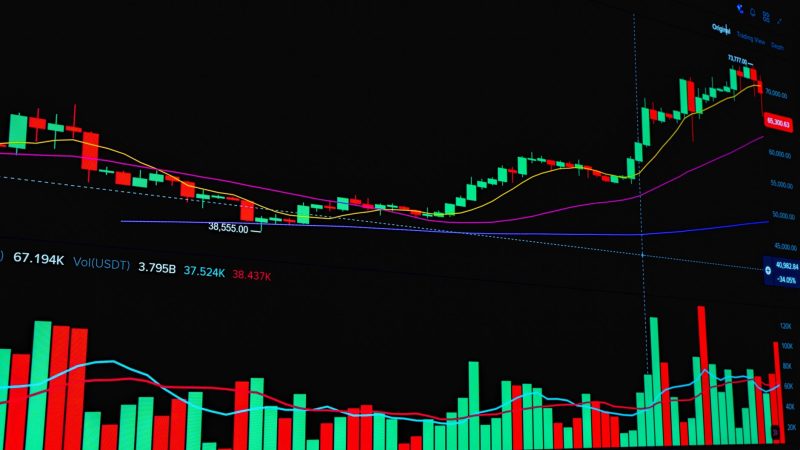
- Moving Averages: The crossover of short-term moving averages above long-term averages can signal a bullish trend, indicating a possible reversal.
- Relative Strength Index (RSI): An RSI below 30 often suggests that a stock is oversold, while a level above 70 may indicate overbought conditions. A rebound from the lower threshold can be a hint of a short-term reversal.
- Bollinger Bands: When prices touch the lower band, it may signal a bounce back, hinting at a recovery phase.
- Volume Analysis: Increases in trading volume during price increases can confirm the strength of a potential reversal.
By keeping an eye on these indicators, investors can better position themselves to capitalize on any impending market recovery.
Historical Context of Market Recoveries
The phenomenon of market recoveries has been observed throughout history, often characterized by short-term reversals that provide traders and investors with opportunities for gains. Significant recoveries have typically followed periods of extended declines, reflecting the market’s tendency to bounce back from oversold conditions.
In the past, major indices like the Nifty have experienced notable short-term reversals after hitting crucial support levels. These recoveries often coincide with changes in economic indicators, shifts in investor sentiment, and improvements in overall market conditions. For instance, in the wake of the 2008 financial crisis, many markets exhibited sharp rebounds as confidence began to return.
Some strategies that have proven effective during these recoveries include:
- Monitoring key technical levels: Identifying support and resistance can help investors make informed decisions.
- Diversifying investments: Spreading assets across various sectors can mitigate risks during volatile periods.
- Staying informed: Keeping abreast of economic data and news can provide insights into potential reversals.
Ultimately, understanding the historical context of market recoveries can equip investors to better navigate the complexities of short-term reversals.
Expert Opinions on Future Trends
As market analysts assess the potential for a short-term reversal, expert opinions highlight several key trends that could influence the Nifty’s trajectory. Many financial experts suggest that a combination of economic indicators and investor sentiment will play a crucial role in determining the market’s next steps.
- Macroeconomic Data: Analysts are closely monitoring upcoming economic reports, particularly those related to inflation and employment rates, as these will provide crucial insights into the economy’s health.
- Policy Decisions: Central banks’ monetary policies, especially interest rate adjustments, could significantly impact market dynamics and investor confidence.
- Global Influences: External factors such as geopolitical tensions and international trade agreements may also contribute to market fluctuations, making it essential for investors to stay informed.
- Technical Analysis: Experts recommend watching for specific technical indicators, such as moving averages, which could signal a potential recovery or further decline.
In conclusion, while a short-term reversal appears possible, it hinges on a multitude of factors that require close monitoring by investors and analysts alike.
Investment Strategies During Reversals
Investment strategies during short-term reversals can significantly influence portfolio performance. As markets begin to recover from a downturn, investors often seek opportunities to capitalize on potential gains. Here are some effective strategies to consider:
- Dollar-Cost Averaging: Investing a fixed amount regularly can help mitigate the impact of volatility and allow investors to accumulate shares at lower prices during a reversal.
- Sector Rotation: Identifying sectors that typically outperform during market recoveries can lead to better returns. Historical patterns show that sectors like technology and consumer discretionary often rebound quickly.
- Quality Stocks: Focusing on companies with strong fundamentals and robust balance sheets can provide a safety net during uncertain times, as these stocks tend to recover faster.
- Options Strategies: Utilizing options to hedge against potential downturns while positioning for gains can be an effective way to navigate short-term reversals.
- Market Timing: While challenging, some investors attempt to time their entries and exits based on technical analysis or market sentiment indicators.
Implementing these strategies can enhance an investor’s ability to navigate the complexities of market fluctuations and capitalize on short-term reversals.
Conclusion: What to Expect Next
As the market enters a potential phase of recovery, investors are left pondering the implications of a short-term reversal. Historical patterns suggest that after periods of decline, markets often experience a bounce-back, driven by renewed investor confidence and strategic buying.
Looking ahead, several factors will play crucial roles in determining whether the current upward momentum can be sustained. Key indicators to monitor include:
- Economic Data Releases: Upcoming reports on employment, inflation, and consumer spending will provide insights into the overall health of the economy.
- Global Market Trends: International developments can greatly influence local markets, making it essential to keep an eye on global financial news.
- Corporate Earnings Reports: As companies begin to release their earnings, the results will likely impact market sentiment and investor behavior.
In conclusion, while a short-term reversal appears plausible, investors should remain vigilant. Staying informed about these factors will be key in navigating the market’s next moves and making informed decisions.
Photo by Rafael Minguet Delgado on Pexels