Sensex Plunges 380 Points: The Worst Market Drop Explained
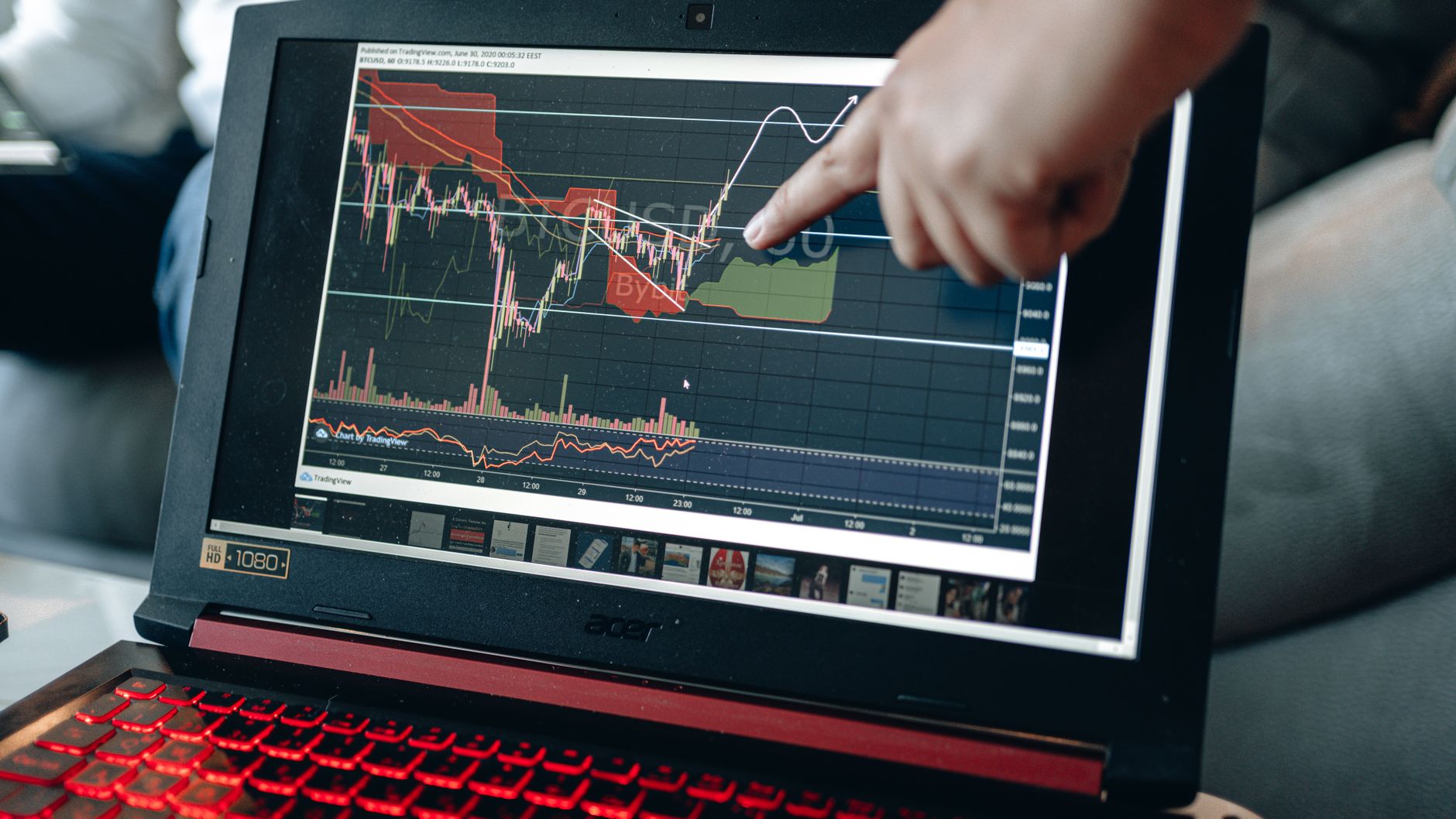
Sensex Plunges 380 Points today, marking a significant downturn in the market. Investors are concerned as this drop raises questions about future trends and stability.
Market Overview and Key Developments
The recent trading session saw a significant decline in the Indian stock market, with the Sensex plunging 380 points. This downturn has raised concerns among investors and analysts alike. The overall market sentiment has turned bearish, reflecting a challenging environment for equities.
Key developments contributing to this market drop include:
- Weak global cues, particularly from the US and European markets, have impacted investor confidence.
- Rising inflation rates have led to fears of tighter monetary policies, causing uncertainty in the financial landscape.
- Sector-specific declines, particularly in technology and banking stocks, have further exacerbated the situation.
As the Sensex plunges over 380 points, traders are advised to remain cautious and closely monitor market trends. With the Nifty index also reflecting a downturn at 23,779, the overall market outlook remains precarious. Investors are urged to consider their positions carefully in light of these developments.
Reasons Behind the Plunge
The recent downturn in the stock market has left investors rattled, with the Sensex plunging 380 points. Several factors contributed to this significant drop, leading to concerns among market participants.
One of the primary reasons is the rise in global inflation rates, which has prompted fears of aggressive monetary policy tightening by central banks. This has caused investors to reassess their positions, resulting in widespread sell-offs.
Additionally, geopolitical tensions have added to the uncertainty. Heightened concerns over trade relations and potential conflicts have made investors wary, leading to a risk-averse sentiment.
Another contributing factor is the disappointing corporate earnings reported by several major companies. Analysts had expected stronger performance, but the results fell short, further shaking investor confidence.
Lastly, fluctuations in oil prices have also played a role. As crude prices continue to rise, the potential for increased costs for businesses looms large, impacting overall market sentiment.
These elements combined have led to the market’s sharp decline, leaving many to question the sustainability of the current economic environment.
Impact on Investors and Strategies
The recent decline in the stock market has left many investors reeling, particularly as the Sensex plunges 380 points, marking one of the most significant drops in recent memory. This downturn has raised concerns among retail and institutional investors alike, prompting a reevaluation of investment strategies.
Many are now considering the following strategies to mitigate risks:
- Diversification: Investors are encouraged to spread their investments across various sectors to minimize potential losses.
- Staying Informed: Keeping abreast of market news and economic indicators is crucial in making timely decisions.
- Long-Term Focus: Experts advise maintaining a long-term perspective rather than reacting impulsively to market fluctuations.
- Professional Guidance: Consulting financial advisors can provide personalized strategies tailored to individual risk appetites.
As the market continues to adjust, understanding the underlying factors behind the Sensex plunge will be essential for recovery and future investments.
Future Outlook for Sensex and Nifty
As the markets continue to react to the recent downturn, experts are assessing the future outlook for both the Sensex and Nifty. Analysts suggest that the Sensex plunges 380 points may be indicative of a larger trend influenced by various economic factors.
Many market watchers believe that the following elements will play a crucial role in shaping the trajectory of the indices:
- Global Economic Conditions: Continued volatility in international markets could impact investor sentiment.
- Domestic Economic Indicators: Key data releases, such as GDP growth and inflation rates, will be pivotal in determining market stability.
- Regulatory Changes: Any new policies or regulations introduced by the government could either bolster or hinder market performance.
- Investor Sentiment: A shift in investor confidence could lead to either a recovery or further declines in the market.
With uncertainty looming, investors are advised to remain cautious and keep a close watch on upcoming economic indicators that could influence the markets.
The recent decline in investor confidence has led to a situation where the Sensex plunges 380 points, raising concerns among market analysts. This significant drop reflects broader economic challenges that need to be addressed urgently.
Photo by AlphaTradeZone on Pexels
References
Related reading
2026 Maruti Baleno Facelift: Best Proven Features Revealed · Bitcoin ETF inflows show proven growth potential · Hero Motors IPO: 10 Proven Tips You Need to Know