Royals Rule Change: Protecting Wealth While We Suffer
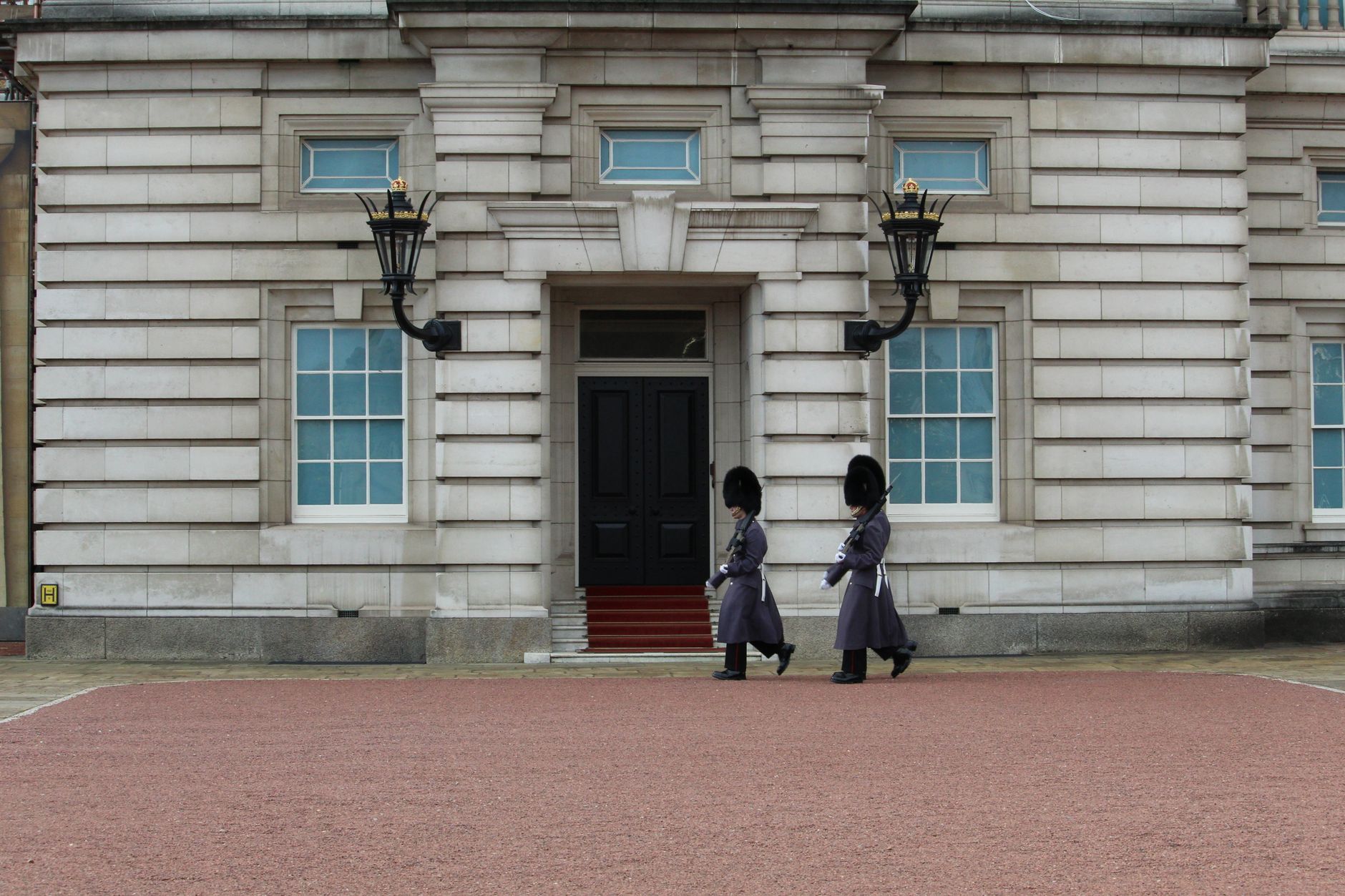
The royals rule change is a significant move that protects their cash while we all feel the pinch. This shift raises questions about wealth distribution and fairness in challenging times.
Understanding the Royals’ Rule Change
The recent royals rule change has sparked a significant debate among the public, especially as many people continue to face economic challenges. This alteration in regulations allows royal family members to maintain and even enhance their wealth, raising questions about fairness and equity during tough times.
By modifying the way their assets are managed and reported, the royals can shield themselves from some of the financial strains affecting the broader population. As inflation rises and living costs soar, this move appears to prioritize the interests of the wealthy elite.
Critics argue that such changes send a troubling message about the disconnect between the royals and ordinary citizens. They contend that while families struggle to make ends meet, the royal family’s financial security remains unscathed. This situation prompts a closer examination of the implications behind this rule change.
Supporters of the adjustment suggest that it is necessary for the sustainability of the royal institution, but many question whether this rationale justifies the timing of the decision. The ongoing discourse reflects a growing concern over wealth distribution in society.
Impact on Personal Finances
The recent royals rule change has raised significant concerns regarding its impact on personal finances for the average citizen. As the royal family implements measures to safeguard their wealth, many are left wondering how this affects their own financial stability.
With rising living costs and inflation, individuals are facing unprecedented challenges. The disparity between the financial security of the royals and the struggles of everyday people has become increasingly pronounced. Many find it difficult to make ends meet, while the royals continue to thrive financially, seemingly insulated from the economic turmoil that affects the rest of the population.
Experts suggest that this rule change could exacerbate the wealth gap, as those with royal ties benefit from policies designed to protect their assets. The consequences of this shift may include:
- A reduction in public funding for essential services.
- Increased taxes on lower and middle-income families.
- Heightened financial stress among citizens facing rising expenses.
As the gap widens, many are questioning the fairness of a system that prioritizes royal wealth over the well-being of its citizens.
Public Reaction to Wealth Protection
The recent royals rule change has sparked a wave of public outcry, with many citizens expressing their discontent over the perceived inequities it reinforces. As the cost of living continues to rise, the decision to prioritize wealth protection for the royal family has not gone unnoticed.
- Many social media users have taken to platforms to voice their frustrations, highlighting the disparity between the financial security of the royals and the struggles faced by ordinary citizens.
- Commentators argue that this change serves to alienate the monarchy from the people, as it seems out of touch with the realities of everyday life.
- Public demonstrations have emerged in several cities, with protestors calling for greater accountability and transparency from the royal institution.
- Some critics have even suggested that the royals should consider relinquishing certain privileges during times of economic hardship.
As the debate continues, many are left wondering how this royals rule change will ultimately affect the public’s perception of the monarchy and its role in society.
Comparing Royal Wealth Strategies
The recent royals rule change has sparked debate about the strategies employed by royal families to safeguard their wealth during challenging economic times. As the cost of living rises, many are questioning the ethics behind the measures taken by these affluent institutions.
Several key strategies have emerged that illustrate how royals manage their finances:
- Diversification of Investments: Royals often hold a broad range of assets, including real estate and art, which helps shield their wealth from market fluctuations.
- Tax Optimization: By utilizing loopholes and offshore accounts, royal families can minimize their tax liabilities, enabling them to retain more of their wealth.
- Philanthropy as a Shield: Some royals engage in charitable endeavors, not only to contribute to society but also to enhance their public image and mitigate criticism regarding their wealth.
While these strategies may provide financial security for royals, they stand in stark contrast to the struggles faced by ordinary citizens. As the gap between the wealthy and the rest of society widens, the conversation surrounding the royals rule change continues to evolve.
Historical Context of Royal Finances
The historical context of royal finances reveals a longstanding tradition of wealth protection that has evolved over centuries. The concept of a royal family managing vast fortunes dates back to ancient times, where monarchs would impose taxes on their subjects to fund their lavish lifestyles.
Throughout history, different royal houses have implemented various strategies to safeguard their assets. For instance, during the medieval period, many kings and queens acquired land as a means of generating income. This practice helped establish a foundation for the wealth that royal families enjoy today.
In recent decades, the trend has shifted towards more modern financial instruments, including investments in stocks and real estate. This shift has allowed royals to adapt to changing economic landscapes while ensuring their wealth remains intact. The recent royals rule change further highlights this ongoing endeavor to protect royal finances, particularly during times of economic hardship.
As the gap between royal wealth and the general populace continues to widen, many are questioning the fairness of these practices. The historical context reflects a pattern of prioritizing royal financial security, often at the expense of those who support the monarchy.
Expert Opinions on Financial Fairness
Experts have weighed in on the recent royals rule change, emphasizing its implications for both financial fairness and the broader economy. Many analysts argue that this move reflects a growing divide between the wealthy elite and the general populace, particularly during challenging economic times.
Dr. Emily Carter, a financial historian, noted, “The royals’ decision to secure their wealth while ordinary citizens struggle raises questions about social responsibility. It highlights a disconnect between the privileged and those facing financial hardships.”
Furthermore, economist James Huang expressed concern that such changes could lead to increased public discontent. “When those in power prioritize their financial security over the welfare of their citizens, it can breed resentment and erode trust in institutions,” he stated.
Several other experts echoed these sentiments, indicating that the royals rule change may exacerbate existing inequalities. “It’s crucial to find a balance that ensures the stability of royal finances without neglecting the needs of the population,” said financial advisor Laura Jenkins.
As the debate continues, many are calling for transparency and accountability in royal financial practices to ensure that wealth protection does not come at the expense of the public’s well-being.
Future Implications for the Economy
The recent royals rule change has raised concerns about its long-term implications for the economy. As the wealthy elite secure their assets, the disparity between the rich and the poor may continue to widen. This shift could lead to several economic challenges that warrant attention.
- Increased Inequality: As royal families adapt their financial strategies to protect their wealth, ordinary citizens may struggle even more with rising costs of living.
- Consumer Confidence: If the public perceives that the royals are prioritizing their wealth over the welfare of the populace, it could dampen consumer spending and investment.
- Policy Implications: Governments might feel pressured to address wealth inequality more aggressively, leading to potential changes in taxation and social welfare programs.
- Social Unrest: Growing frustration among those feeling the economic squeeze could manifest in protests or increased political activism, challenging existing power structures.
Ultimately, the royals rule change serves as a catalyst for an ongoing debate about wealth distribution and the responsibilities of the wealthy during times of economic hardship.
What This Means for Everyday Citizens
The recent royals rule change has raised significant concerns among everyday citizens, highlighting the growing divide between the wealthy elite and the general population. As the cost of living continues to rise, many individuals find it increasingly challenging to make ends meet. This shift in royal policy, designed to safeguard the fortunes of the royals, may have profound implications for those struggling financially.
For many citizens, the rule change feels like a stark reminder of the disparity in economic stability. While the royals can protect their wealth through various strategies, ordinary families are left grappling with skyrocketing bills and stagnant wages. The perception that the elite are securing their financial futures at the expense of the public has fueled discontent and frustration.
Moreover, the shift has prompted discussions about the responsibilities of the wealthy and the role of governance in ensuring financial equity. Citizens are beginning to question whether the system truly serves everyone’s interests or primarily benefits the privileged few. As the implications of this rule change unfold, it remains to be seen how it will affect public sentiment and future policies aimed at financial fairness.
The recent royals rule change has sparked a debate about wealth distribution during times of crisis. Critics argue that this royals rule change only serves to further entrench the privileges of the elite while the rest of society struggles.
Photo by Funky MojoJojo on Pexels
Read the original
BHEL Q2 earnings: Record profit doubles to ₹810 crore · LIC New Insurance Plans: Best Options for Your Health · Jio Platforms IPO: The Best Proven Investment Opportunity