RBI Repo Rate Hike: The Real Impact on Home Loans & FDs

RBI Repo Rate Hike is set to influence home loans and fixed deposits significantly. This article explores the implications for borrowers and savers alike.
Understanding RBI Repo Rate Hike
The RBI Repo Rate Hike has significant implications for borrowers and savers alike. When the Reserve Bank of India increases the repo rate, it directly affects the interest rates on home loans and fixed deposits (FDs). A higher repo rate typically leads to increased costs for home loans, as banks pass on the rate hike to consumers in the form of higher EMIs.
For potential homebuyers, this means that financing a home could become more expensive, impacting affordability and overall demand in the housing market. On the other hand, for depositors, the RBI Repo Rate Hike may result in better returns on FDs, as banks may offer higher interest rates to attract more savings.
In summary, while the RBI Repo Rate Hike can lead to costlier home loans, it also provides an opportunity for better earnings on fixed deposits, creating a mixed impact on the financial landscape.
Impact on Home Loans and EMIs
The recent RBI repo rate hike has significant implications for home loans and equated monthly installments (EMIs). As the central bank adjusts the repo rate, financial institutions are likely to respond by increasing interest rates on home loans. This change can lead to a rise in monthly EMIs for existing borrowers, making home ownership more expensive.
For those considering a home loan, it is crucial to evaluate the new interest rates before making a decision. The costlier home loans can strain budgets, particularly for first-time buyers.
However, the RBI repo rate hike can also have benefits for fixed deposits (FDs). With higher interest rates, individuals investing in FDs may see better returns on their savings. This shift means that while borrowing costs may rise, savers can enjoy increased earnings on their investments.
In summary, the dual impact of the RBI repo rate hike requires careful financial planning for both borrowers and savers.
Fixed Deposits: What to Expect
The recent RBI repo rate hike has significant implications for fixed deposits (FDs). As the central bank increases the repo rate, banks are likely to respond by raising their interest rates on FDs. This means that investors can expect better returns on their deposits, making FDs a more attractive option in the current economic climate.
Here are a few key points to consider regarding FDs in light of the RBI repo rate hike:
- Higher Interest Rates: Banks may offer higher interest rates on new FDs, which could benefit savers looking for secure investment options.
- Increased Competition: With banks vying for deposits, customers may find more competitive rates and terms.
- Short-Term vs Long-Term: Savers should evaluate whether to opt for short-term or long-term FDs based on their financial goals.
Overall, the RBI repo rate hike could lead to favorable conditions for fixed deposit investors, allowing them to enhance their savings while navigating the changing economic landscape.
Financial Strategies Post Repo Rate Change
As the RBI repo rate hike influences the financial landscape, it is essential for borrowers and investors to adapt their strategies accordingly. With home loan interest rates likely to rise, homeowners should consider the following:
- Refinancing Existing Loans: Evaluate options to refinance at lower rates before the increases take full effect.
- Fixed vs. Floating Rates: Assess whether a fixed-rate loan may offer more stability in the long run compared to a floating rate that could increase further.
- Prepayment Options: If possible, make additional payments on current loans to reduce overall interest and principal.
For investors, the RBI repo rate hike may lead to better returns on fixed deposits (FDs). It is advisable to:
- Shop for Competitive Rates: Compare various banks to secure the highest FD interest rates.
- Diversify Investments: Consider mixing traditional FDs with other investment avenues to maximize returns.
Being proactive can help navigate the financial shifts induced by the recent RBI repo rate hike.
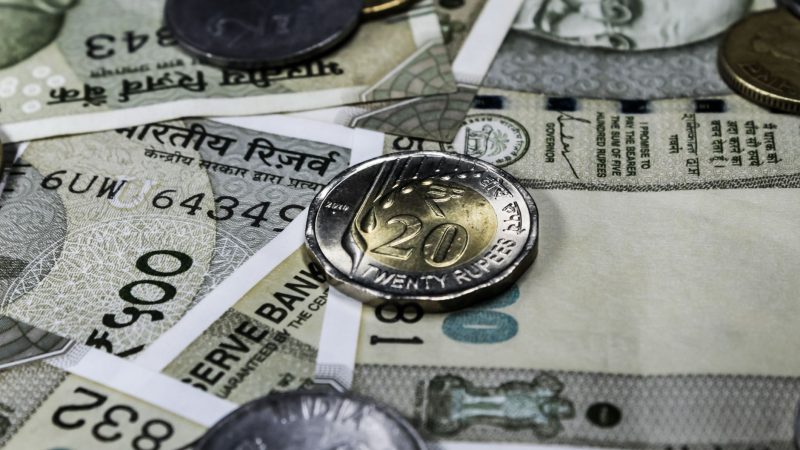
Photo by Ravi Roshan on Pexels
Read the original
Dolly Khanna stake cut: Is it the worst investment move? · RBI Repo Rate Decision: Is It the Right Move for Borrowers? · UK Student Visa Refusals: What Are the Worst Rules?