Indian banks loan growth: The Clear Impact on Margins
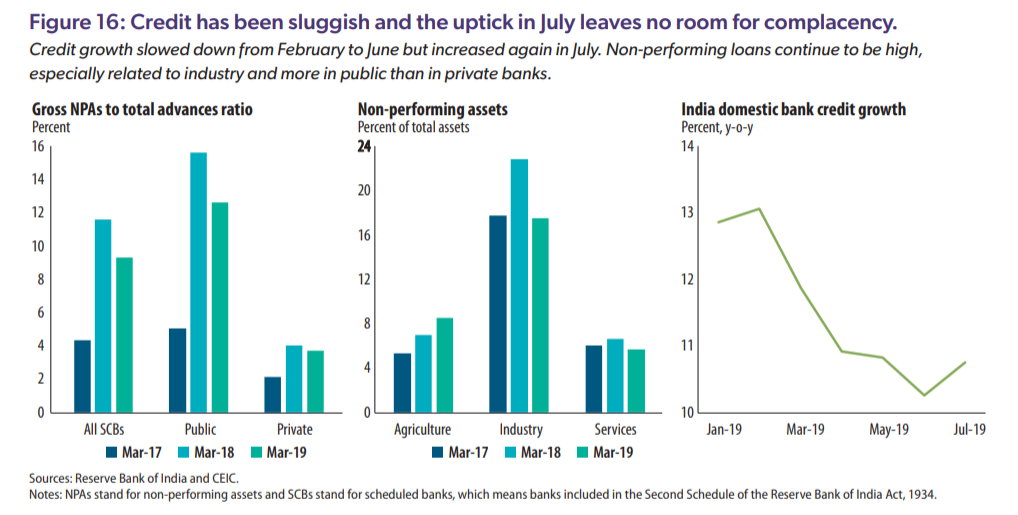
Indian banks loan growth is facing a paradox as FCNR deposits boost lending while margins are under pressure. This dual impact raises questions about the future profitability of these institutions.
Current State of Indian Banks
Indian banks are currently navigating a complex economic landscape, marked by both opportunities and challenges in loan growth. With the recent surge in demand for credit, banks have reported an increase in loan disbursements, primarily driven by corporate borrowing and retail lending.
However, this growth in loans has not come without its drawbacks. As noted in the latest reports, the margins of Indian banks are facing pressure due to various factors, including rising interest rates and increased competition in the lending space. The paradox of loan growth coupled with shrinking margins is particularly evident in the second quarter of the fiscal year.
Key factors influencing the current state include:
- Increased Corporate Lending: Companies are seeking funds for expansion, leading to higher loan volumes.
- Retail Demand: A growing consumer credit market is pushing banks to offer more personal loans.
- Cost of Funds: Rising interest rates have resulted in higher costs for banks, affecting their profitability.
Furthermore, the impact of foreign currency non-resident (FCNR) deposits has provided a temporary boost to loan growth. Nevertheless, the overall outlook remains cautious as banks strive to balance growth while maintaining healthy margins in a competitive environment.
Understanding FCNR Deposits
The concept of Foreign Currency Non-Resident (FCNR) deposits has gained significant attention in the context of Indian banks’ loan growth. FCNR deposits are foreign currency accounts offered to Non-Resident Indians (NRIs), allowing them to maintain their savings in a stable foreign currency while earning interest in India.
As Indian banks seek to enhance their loan growth, FCNR deposits have emerged as an attractive source of funds. These deposits not only provide liquidity but also enable banks to extend credit at competitive rates. The influx of FCNR deposits has led to increased lending capabilities, which is crucial for banks amid fluctuating economic conditions.
However, there’s a paradoxical effect on profit margins. While FCNR deposits contribute to an expanding loan portfolio, they often come with higher costs for banks. The interest rates offered on these deposits can be significantly higher than those on domestic savings accounts. This disparity can compress the interest margins, as the cost of funds rises in tandem with the need to attract more deposits.
- Increased liquidity: FCNR deposits provide banks with additional capital to lend.
- Competitive interest rates: Banks can extend loans at attractive rates due to foreign currency inflows.
- Margin compression: Higher interest rates on FCNR deposits can reduce overall profit margins.
Thus, while Indian banks’ loan growth is stimulated by FCNR deposits, the impact on margins remains a crucial consideration for financial strategy.
Impact on Loan Growth
The recent trends in Indian banks loan growth have revealed a complex relationship between increasing credit demand and the pressure on profit margins. As banks continue to expand their lending portfolios, particularly in the retail and small business sectors, they face unique challenges that could impact their overall financial health.
One significant factor contributing to this paradox is the rise in Foreign Currency Non-Resident (FCNR) deposits. While these deposits have bolstered loan growth by providing additional liquidity, they also come with higher costs. This situation creates a tight margin environment, as banks are compelled to offer competitive interest rates to attract depositors.
The impact on loan growth can be summarized as follows:
- Increased Lending: Banks are witnessing a surge in loan applications, fueled by a recovering economy and consumer confidence.
- Pressure on Margins: Despite the growth in lending, the cost of funds has increased, leading to narrower profit margins.
- Competitive Landscape: Banks are engaged in a race to offer lower rates, further squeezing their profitability.
As Indian banks navigate this challenging landscape, the balance between fostering loan growth and maintaining healthy margins will be crucial for their long-term sustainability.
Challenges Facing Margins
The recent surge in Indian banks’ loan growth has brought about significant challenges, particularly concerning profit margins. As banks expand their lending portfolios, they often face a paradox where increased loan volumes do not necessarily translate to higher profitability.
Several factors contribute to this situation:
- Interest Rate Pressures: Intense competition among banks to attract borrowers has led to lower interest rates on loans. While this strategy can boost loan growth, it can also compress margins as banks earn less on each loan issued.
- Rising Cost of Funds: Despite the growth in lending, the cost of funds for banks has been on the rise, particularly as deposit growth has not kept pace with loan demands. This discrepancy can further squeeze margins, making it challenging for banks to maintain profitability.
- Regulatory Compliance Costs: Increased regulatory demands can lead to higher operational expenses for banks. These costs can counteract the benefits gained from higher loan volumes, exacerbating the margin challenge.
- Economic Uncertainty: Ongoing economic fluctuations can affect borrowers’ repayment capabilities, potentially leading to a rise in non-performing assets (NPAs). This situation can further erode banks’ financial health and margins.
As Indian banks’ loan growth continues to evolve, addressing these challenges will be crucial for sustaining profitability in the long term.
Future Outlook for Banking Sector
The future outlook for the banking sector in India appears to be a double-edged sword, particularly in the context of Indian banks loan growth. As lenders strive to capitalize on the burgeoning demand for loans, they must navigate a landscape characterized by fluctuating margins and competitive pressures.
Analysts predict that the continued expansion of loan portfolios will remain a priority for Indian banks in the coming quarters. However, this growth may come at a cost. The reliance on instruments like Foreign Currency Non-Resident (FCNR) deposits has provided short-term liquidity benefits, yet it has also introduced complexities that could affect profitability.
Furthermore, regulatory changes and the evolving economic climate may pose additional challenges. Banks may need to enhance their credit assessment processes to mitigate risks associated with increased lending. In addition, there is potential for a rise in non-performing assets, which could further strain margins.
To thrive in this environment, Indian banks are expected to adopt innovative strategies. These include leveraging technology to streamline operations, enhancing customer experience, and diversifying their product offerings. By doing so, they can potentially offset some of the margin pressures while still pursuing robust loan growth.
As the banking sector adapts to these dynamics, stakeholders will closely monitor how these factors influence the medium-term outlook.
Comparative Analysis with Previous Quarters
In recent quarters, Indian banks have experienced significant fluctuations in loan growth, which has led to a mixed impact on their margins. A comparative analysis reveals that while the current loan growth rates are robust, they mask underlying challenges that have emerged over time.
During Q1, the loan growth was primarily driven by an increase in demand for personal and retail loans, which surged by 15% compared to the previous year. However, this growth was followed by a slight decline in Q2, primarily attributed to tightening credit conditions and rising interest rates.
Key observations from the comparative analysis include:
- Q1 Loan Growth: Indian banks reported a loan growth of 12%, significantly boosted by consumer spending.
- Q2 Trends: Despite an increase in overall loans, margins contracted as banks struggled with higher costs and competition.
- Year-over-Year Comparison: Loan growth year-over-year showed promise, with an increase of 10%, yet margins faced pressure from external economic factors.
Ultimately, while Indian banks are witnessing notable loan growth, the challenges to margins suggest that a careful balance must be struck to ensure sustainable profitability moving forward.
Expert Opinions on Banking Trends
Industry experts have been closely monitoring the dynamics of Indian banks loan growth, particularly in light of recent trends that reveal a complex interplay between growth and profitability. According to Rajesh Kumar, a senior analyst at a leading financial consultancy, “The paradox of rising loan growth against shrinking margins is particularly pronounced this quarter. While banks are extending credit at an impressive pace, the cost of funds is also increasing, squeezing profit margins.”
Moreover, Neha Singh, a banking sector expert, emphasizes the role of competitive pressures: “As banks vie for market share, they are often compelled to lower interest rates to attract borrowers. This can lead to significant short-term gains in loan volumes, but it poses a long-term threat to margin sustainability.”
In addition, Shankar Rao, chief economist at a major bank, points out that regulatory factors are also impacting the landscape: “With the recent changes in capital adequacy norms, banks must balance their growth ambitions with the need to maintain healthy margins.”
Given these insights, it is clear that while Indian banks are experiencing robust loan growth, the challenges of maintaining profitability in a competitive and regulatory-driven environment will require careful navigation. The future of banking will depend on how institutions adapt to these pressures while continuing to serve their customers effectively.
As Indian banks loan growth continues to accelerate, institutions are adapting their strategies to maintain profitability. The clear impact on margins will be a critical factor for banks as they navigate this evolving landscape.
By World Bank via Openverse
Where this came from
You might also like
Forgotten Vegetables: The Best Proven Way to Boost Diets · TajGVK Hotels stock: Worst drop but Monarch sees 49% upside · Seed funding news: Best Proven Strategies for Startups