Crypto Market Cap: The Best Proven Insights You Need
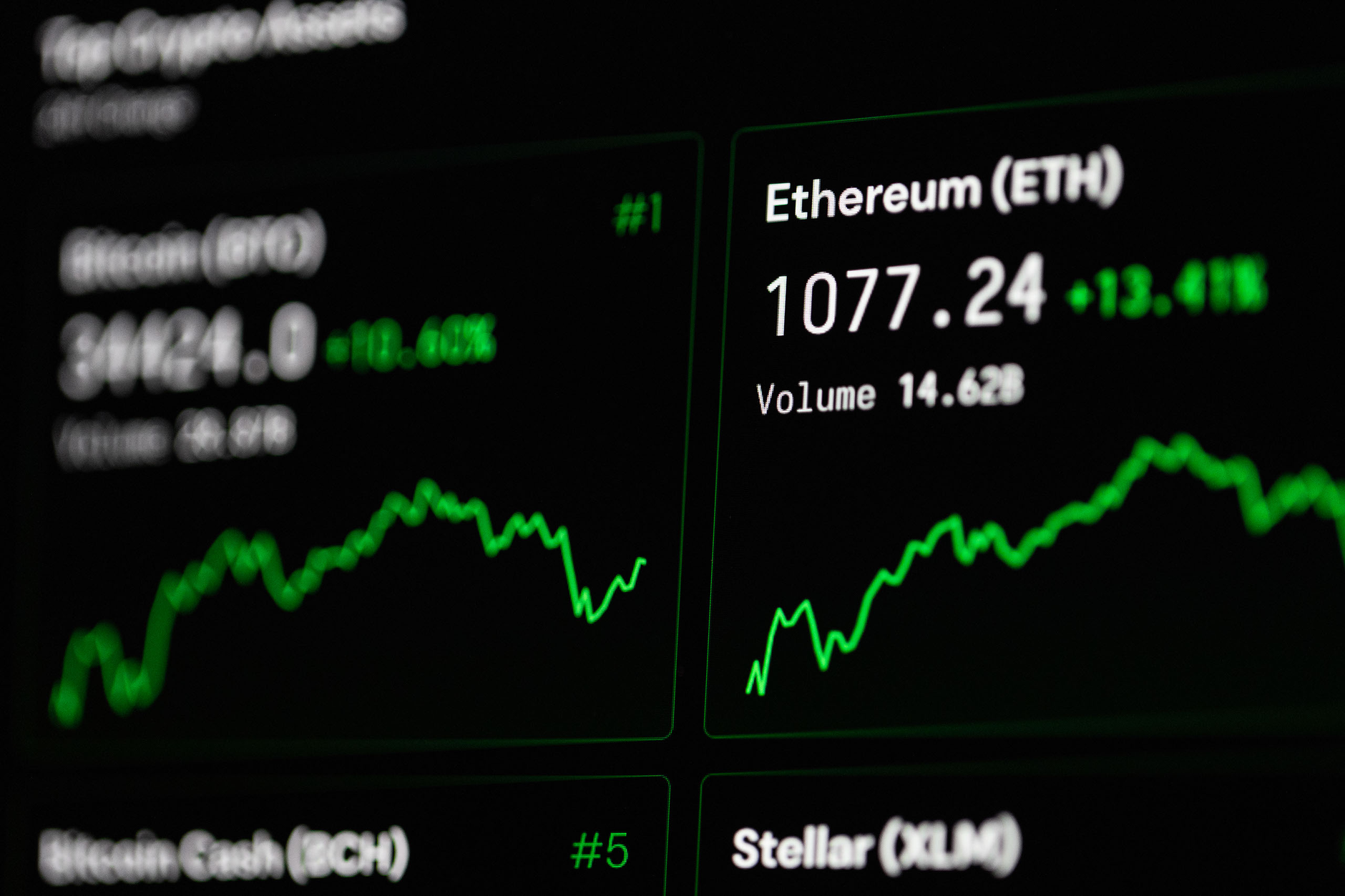
The crypto market cap is a crucial metric that reveals important insights into price and supply dynamics. Understanding these factors can significantly influence your investment strategy.
Understanding Crypto Market Cap
Understanding the crypto market cap is essential for anyone looking to navigate the complex world of digital currencies. At its core, the market capitalization of a cryptocurrency is calculated by multiplying the current price of the coin by its total circulating supply. This figure provides a quick snapshot of the currency’s relative size and importance within the broader market.
There are several key factors that influence a cryptocurrency’s market cap, including:
- Price Volatility: Cryptocurrency prices can fluctuate wildly, impacting the overall market cap.
- Supply Dynamics: The total supply of coins in circulation, along with factors like mining and staking, plays a significant role in determining market cap.
- Market Sentiment: News events, regulatory changes, and technological advancements can sway investor confidence and, consequently, market cap.
Additionally, comparing the market cap of different cryptocurrencies can provide insights into their potential for growth and investment opportunities. Understanding these dynamics is crucial for making informed decisions in the ever-evolving crypto landscape.
What Price and Supply Indicate
When analyzing the crypto market cap, two critical factors come into play: price and supply. These elements provide insights into the overall health and potential of a cryptocurrency.
Price reflects the current value of a cryptocurrency, influenced by market demand and investor sentiment. A rising price often indicates increased interest and confidence in the asset. Conversely, a declining price may suggest bearish market conditions or negative news affecting investor attitudes.
Supply refers to the total number of coins available in the market. It can be categorized into two types:
- Circulating Supply: The number of coins currently available for trading.
- Total Supply: The total number of coins that will ever exist, including those that are not yet mined.
Understanding both price and supply helps investors gauge market trends and potential future performance. A higher market cap generally signifies a more established cryptocurrency with greater liquidity, while a lower market cap may indicate a higher risk but also the potential for significant returns. Analyzing these aspects can lead to more informed investment decisions in the ever-evolving crypto landscape.
Key Factors Influencing Market Cap
The crypto market cap is influenced by several key factors that investors and analysts must consider when evaluating the potential of various cryptocurrencies. Understanding these factors can provide insights into market trends and help in making informed investment decisions.
- Adoption Rate: The speed at which a cryptocurrency is being adopted by businesses and consumers can significantly affect its market cap. Increased usage often leads to higher demand, positively impacting its value.
- Technological Developments: Innovations in blockchain technology can enhance a cryptocurrency’s utility and security, making it more attractive to investors. This can lead to an increase in market cap as confidence in the asset grows.
- Regulatory Environment: Government regulations can have a profound effect on the crypto market cap. Positive regulatory news can boost investor sentiment, while negative news can create uncertainty and lead to market declines.
- Market Sentiment: The collective emotions of traders and investors can drive the market cap up or down. Bullish sentiment often results in rising prices, while bearish sentiment can lead to declines.
Monitoring these factors is essential for anyone looking to navigate the complexities of the crypto market cap effectively.
How to Analyze Crypto Metrics
Analyzing crypto metrics is crucial for making informed investment decisions in the rapidly evolving landscape of digital currencies. One of the primary metrics to consider is the crypto market cap, which reflects the total value of a cryptocurrency. This is calculated by multiplying the current price of the coin by its circulating supply.
To effectively analyze these metrics, investors should focus on the following key components:
- Market Trends: Observe the historical price movements and patterns over time to identify potential opportunities or risks.
- Trading Volume: High trading volume often indicates strong market interest and can be a sign of price stability or volatility.
- Liquidity: Assessing liquidity helps determine how easily an asset can be bought or sold without significantly affecting its price.
- Market Sentiment: Keep an eye on news and social media trends, as public perception can greatly impact market behavior.
By understanding these metrics, investors can better navigate the complexities of the crypto market and make decisions that align with their financial goals.
Future Trends in Cryptocurrency
The cryptocurrency landscape is ever-evolving, and several trends are emerging that could significantly impact the crypto market cap in the near future. Understanding these trends is essential for investors looking to navigate the complexities of this digital asset space.
One prominent trend is the growing adoption of decentralized finance (DeFi) platforms. These platforms allow users to engage in financial transactions without intermediaries, which could lead to increased demand for various cryptocurrencies, thus positively influencing their market caps.
Another significant factor is the rise of non-fungible tokens (NFTs). As artists and content creators embrace NFTs, the underlying blockchain technologies could see a surge in usage, potentially boosting the market cap of associated cryptocurrencies.
Additionally, regulatory developments are crucial to watch. As governments around the world begin to establish clearer frameworks for cryptocurrency, this could either enhance credibility and adoption or stifle innovation.
Lastly, advancements in technology, such as scalability solutions and interoperability between blockchains, may also play a vital role in shaping future market dynamics. Investors need to stay informed about these trends to make educated decisions moving forward.
The fluctuations in the crypto market cap can often indicate broader trends within the digital currency space. Understanding the factors that influence the crypto market cap is essential for making informed investment decisions.
Photo by Bram van Oosterhout on Pexels
References
Related stories
OPENLANE Q2 earnings show clear positive growth · Personal Tax-Free Allowance: Smart Ways to Maximize Benefits · Nifty surges today: Best gains from Trent and ITC