AI Bubble Popping: The Worst Crash for Nvidia Yet

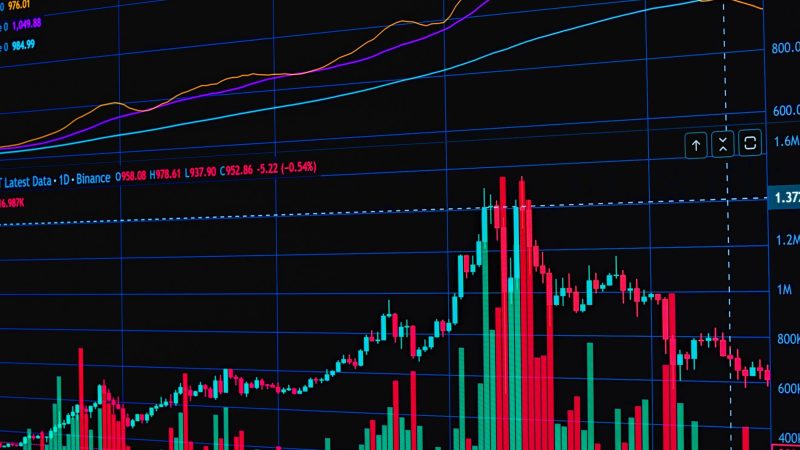
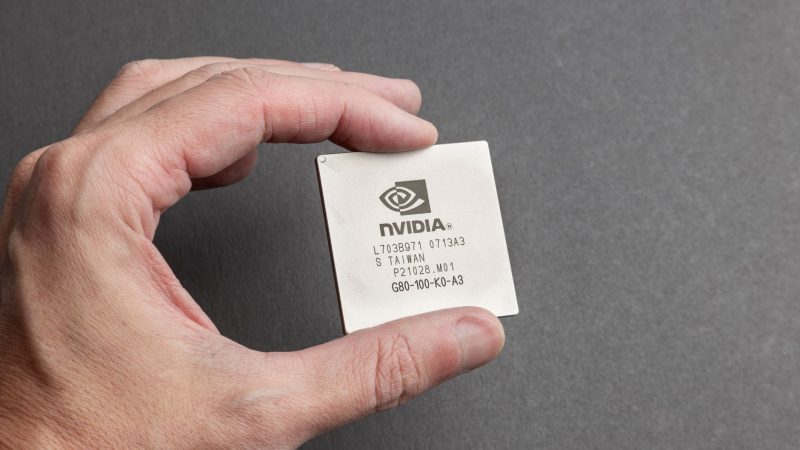
The AI bubble popping has become a hot topic as Nvidia experiences a staggering 48% crash. Wall Street experts are sounding the alarm on the potential implications for the tech sector.
Understanding the AI Bubble
The recent downturn in the stock market has raised significant concerns about the sustainability of the AI boom. Analysts are now questioning whether we are witnessing the AI bubble popping. Major companies, particularly Nvidia, have experienced substantial declines in their stock prices, leading to fears of a broader market correction.
Several factors contribute to the current situation:
- Overvaluation: Many AI companies have seen their valuations soar to unprecedented levels, prompting analysts to argue that corrections are necessary.
- Market Saturation: As more players enter the AI space, the competition increases, potentially diluting the profitability of existing leaders.
- Regulatory Scrutiny: Governments are beginning to pay closer attention to the implications of AI technology, which could lead to new regulations impacting growth prospects.
- Investor Sentiment: A shift in investor confidence can lead to sudden sell-offs, further exacerbating declines in stock prices.
As the landscape evolves, stakeholders must carefully navigate the turbulence surrounding the AI market.
Nvidia’s Stock Performance
Nvidia has experienced a significant decline in its stock performance, with a staggering drop of 48% in recent weeks. This downturn has raised alarms among investors and analysts, who are questioning whether the much-discussed AI bubble is indeed popping.
Once considered a darling of the tech industry, Nvidia’s meteoric rise was largely fueled by its pivotal role in AI advancements. However, as market dynamics shift, the sustainability of such growth is under scrutiny.
Key factors contributing to Nvidia’s crash include:
- Overvaluation: Many experts believe that the stock was inflated beyond its true worth, leading to a reckoning.
- Market Corrections: Broader market trends have prompted investors to reassess their positions in tech stocks.
- Reduced Demand: Signs of decreasing demand for AI-related products have sparked concerns about future revenue streams.
The ongoing situation serves as a reminder that while AI technology holds immense potential, the current hype may not align with market realities, further fueling discussions around the AI bubble popping.
Wall Street’s Reaction
As the AI bubble popping sentiment spreads, Wall Street’s reaction has been swift and severe. Investors are grappling with the implications of Nvidia’s recent 48% crash, which has sent shockwaves throughout the tech sector. Analysts are now questioning the sustainability of AI-driven valuations that have dominated the market in recent months.
Experts are highlighting several key concerns:
- Overvaluation: Many stocks, particularly in the AI sector, were marked by inflated prices that no longer seem justifiable.
- Market Sentiment: A growing fear of a downturn has led investors to reassess their portfolios, resulting in a significant sell-off.
- Interest Rates: Rising interest rates are adding pressure to tech stocks, making it increasingly difficult for companies reliant on growth to maintain their valuations.
With the AI bubble popping, Wall Street experts are urging caution, emphasizing the need for a more measured approach to investing in technology stocks. As the dust settles, it remains to be seen how Nvidia and the broader tech market will navigate this turbulent period.
Experts Weigh In on AI
As concerns grow over the sustainability of the AI market, industry experts are weighing in on the potential implications of the AI bubble popping. Many analysts believe that the rapid rise in AI investments may not be supported by the current fundamentals.
- Dr. Emily Carter, a leading economist, stated, “The pace at which companies have been pouring resources into AI technology is unprecedented, but we must question whether these valuations can hold.”
- Mark Thompson, a tech analyst, noted, “Investors are beginning to realize that not all AI companies will survive this correction. A significant number of startups may face a harsh reality as expectations adjust.”
- Lisa Chen, a venture capitalist, commented, “The enthusiasm surrounding AI has led to inflated expectations. With Nvidia’s recent crash, the risk of the AI bubble popping is becoming increasingly apparent.”
Experts emphasize the need for a more cautious approach to investments in the sector, as the current climate suggests that the hype surrounding AI could lead to a significant downturn, impacting both investors and companies alike.
Future of AI Investments
The future of AI investments remains uncertain as the AI bubble popping has raised concerns among investors. With Nvidia experiencing a significant stock crash, many are questioning the sustainability of the current market dynamics.
Several analysts suggest that the exuberance surrounding AI technologies may have led to inflated valuations. As the market recalibrates, here are some potential trends to watch:
- Increased Scrutiny: Investors may become more cautious, seeking companies with solid fundamentals rather than speculative ventures.
- Focus on Profitability: Startups and established firms alike will need to demonstrate a clear path to profitability to regain investor confidence.
- Shift in Funding: Venture capital may shift towards areas with proven returns, leaving behind less tangible AI projects.
- Regulatory Changes: As AI technologies evolve, regulatory frameworks may emerge, impacting how companies can innovate and market their products.
Ultimately, the landscape of AI investments could dramatically change as the repercussions of the AI bubble popping continue to unfold.
Impact on Tech Companies
The recent downturn in Nvidia’s stock has raised concerns about the broader implications for the tech industry, particularly regarding the potential AI bubble popping. As other companies in the artificial intelligence sector grapple with similar declines, analysts are beginning to question the sustainability of the current tech boom.
Several major players are feeling the pressure:
- AMD: Following Nvidia’s lead, AMD’s shares have also dipped significantly, signaling investor anxiety about the future of AI technologies.
- Google: The tech giant has seen its market value waver as skepticism about its AI initiatives grows, impacting investor confidence.
- Microsoft: With heavy investments in AI, any sign of a downturn could lead to further scrutiny and volatility in Microsoft’s stock performance.
As the AI bubble continues to show signs of strain, companies are reassessing their strategies. Industry leaders emphasize the need for a more cautious approach to investment in AI technologies, aiming to avoid the pitfalls that have contributed to the current market turmoil.
Market Trends to Watch
As the tech landscape evolves, several market trends are emerging that investors should closely monitor in light of the AI bubble popping.
- Shift in Investment Priorities: With the decline in Nvidia’s stock, many investors are reassessing their portfolios. The focus is shifting from high-risk AI stocks to more stable sectors.
- Increased Scrutiny on AI Companies: Analysts are urging a deeper analysis of AI startups, emphasizing the need for sustainable business models over mere hype.
- Regulatory Changes: Governments are beginning to implement regulations aimed at overseeing AI development and deployment, which could impact market dynamics significantly.
- Technological Innovation: While the crash may deter some investment, it also opens the door for innovation as startups pivot to address emerging challenges in AI technology.
- Market Volatility: The recent downturn has led to increased volatility across tech stocks, prompting investors to seek safer opportunities.
As the AI bubble popping reshapes market dynamics, staying informed about these trends will be crucial for navigating potential pitfalls and opportunities ahead.
Conclusion: What’s Next for AI?
As the tech industry grapples with the implications of the recent downturn, the question on many minds is, what’s next for AI? The AI bubble popping has raised concerns about the sustainability of investments in this rapidly evolving sector. Analysts suggest that while the initial excitement around AI technologies drove significant market gains, the recent crashes indicate a need for recalibration.
Moving forward, investors may need to adopt a more cautious approach, focusing on companies that demonstrate real-world applications and profitability rather than mere hype. Some key areas to watch include:
- Regulatory Developments: Government oversight may influence the pace of AI innovation.
- Consumer Adoption: The success of AI products hinges on their acceptance by the public.
- Technological Advancements: Continued breakthroughs could reshape the landscape.
Ultimately, the resilience of the AI market will depend on its ability to adapt and prove its value amid challenges. Investors and companies alike must remain vigilant as they navigate this uncertain terrain.
By GaoFeiWings via Openverse