The Strategic Role of Artificial Grass Manufacturers in Urban Design
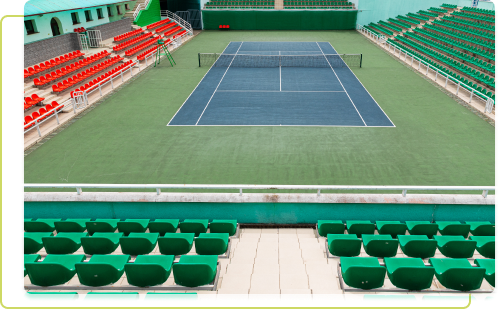
The modern-day urban design requires a solution that is sustainable, durable, and aesthetically compatible. Due to the growth of cities and the increase in the complexity of land use planning, planners are always in need of materials that can sustain recreational infrastructure, street spaces, and contemporary landscaping without generating too much maintenance pressure. Synthetic turf has emerged as a viable option in this changing city environment. Artificial Grass Manufacturers in Saudi Arabia have grown to play a significant role in the landscape of the contemporary city in terms of the way outdoor areas operate. Their experience goes beyond the provision of turf; they are engineers who have the ability to create surfaces that are able to sustain climate, heavy man-traffic, and aesthetic demands of the contemporary city environment.
The manufacturers of building materials have enabled architects and planners to design spaces that will be functional and appealing over the years by providing sophisticated material technology alongside flexibility in design.
Enhancing Urban Green Infrastructure
In the contemporary landscape of cities, there is a need to have resilient green infrastructure that is capable of sustaining the environment and making it aesthetically appealing. The synthetic turf solutions are being incorporated more in the city planning as a way of developing convenient, attractive, and sustainable green areas to support the needs of the rising urban population.
- Supporting Year-Round Green Spaces: It is common by urban planners to find it difficult to have natural grass in high traffic places like parks, recreation area, and communal plazas. The synthetic turf enables urban areas to have a green view throughout the year without going through the process of deterioration that occurs in green spaces during seasons.
- Improving Land Utilization Efficiency: Cities need spaces that can be multi-purpose and be used by the communities in various ways. Artificial grass surfaces allow designers to transform the portions of space that were poorly utilized before into viable green spaces. Courtyards, rooftops, and small city patches can be converted to recreational or relaxation areas.
- Maintaining Visual Consistency Across Developments: The current cities tend to pursue thematic design in order to ensure architectural harmony. The artificial turf solutions enable the landscape architects to develop homogeneous green spaces that have a constant texture and color. This uniformity promotes the visual identity of residential complexes, commercial developments, and other infrastructural development projects and minimizes the maintenance issues that would be encountered in the future.
Supporting Sustainable Urban Development
The concept of sustainability has started to become a guideline in the modern-day city planning. Cities are turning to landscape options which conserve, use less of the environment and still remain able to operate long term without depleting the visual and recreational value of the public space.
- Reducing Water Consumption in Cities: Water conservation has gained much prominence in the urban designs of most cities. Conventional lawns need regular irrigation particularly in areas having warm climate or low rainfall. Synthetic turf immensely saves on water dependency that is caused by the necessity to water it consistently. This is part of the larger sustainability agenda and supports the cities to use water resources smarter and to retain attractive outside spaces.
- Lowering Chemical Usage in Public Landscapes: It is common to use fertilizers, pesticides and herbicides to maintain the appearance and health of the natural grass in landscapes. When applied in large volume, the chemicals may affect the quality of soil and the surrounding ecosystems. Artificial grass surfaces eliminate such treatments, and the urban developments have better outdoors due to artificial grass surfaces which are cleaner and safer.
- Extending the Lifecycle of Landscape Installations: The use of durable synthetic surfaces will make it unnecessary to replace or repair them on a regular basis, in contrast to natural grass lawns. Well-built turf systems can last more than years with minimal wear thus offering long term benefits to the municipalities and property developers. This sustainability helps in the planning of infrastructure sustainably in that the consumption of resources is reduced.
Enabling Functional Recreational Spaces
Recreation facilities in the community are very crucial in helping people live healthy and more active lives. The cities are benefiting with modern surface solutions which are providing cities with reliable sports and activity zones which are accessible, safe and workable all through the year.
- Creating Reliable Sports Infrastructure: Cities need sports and recreation centers through which people can access them. Artificial turf allows building football fields, multi-sport courts, and training areas that will also be playable in any weather conditions.
- Supporting Multi-Purpose Public Facilities: City spaces are usually created with the aim of catering to a wide range of activities during the weekdays. A park could be the venue of sports events, communal meetings, or cultural events. Synthetic turf surfaces enable such transitions to be made without the need to repair and maintain the turf environment intensively. They are resilient, such that the area can be used even after heavy use.
- Encouraging Community Engagement: Recreational facilities that are easily accessible will make communities healthier and socially interactive. Urban planners can achieve this by creating permanent green cover in the areas of residence to facilitate people spending more time in the open atmosphere. The parks and recreational areas are made welcoming places where individuals are able to exercise, socialize, and engage in activities within a community.
Conclusion
The introduction of synthetic turf in urban planning is a manifestation of a general shift in the development of cities to efficient and sustainable development. With high level of artificial grass Fabrication and constant innovation of materials, the manufacturers are assisting the urban population to come up with the outdoor environment where the visual appeal, durability, and functionality are long lasting in terms of functionality. They have been growing in terms of roles as architects, developers, and urban planners are looking at intelligent solutions for surfaces that have the capacity to handle the continuously changing demands of contemporary urban life.
Padel Factory focuses on the highly developed synthetic turf and sports infrastructure solutions that are applicable in the contemporary recreational and commercial setting. Bearing in mind quality, durability, and performance, the company provides highly qualified engineered turf systems that can be used in sports facility, landscaping projects as well as urban developments. Through innovative materials and professional installation values, Padel Factory helps architects, developers, and facility planners to design reliable, appealing to the eye, and sustainable outdoor environments.