Baby food sales: Proven growth of 83% by 2027
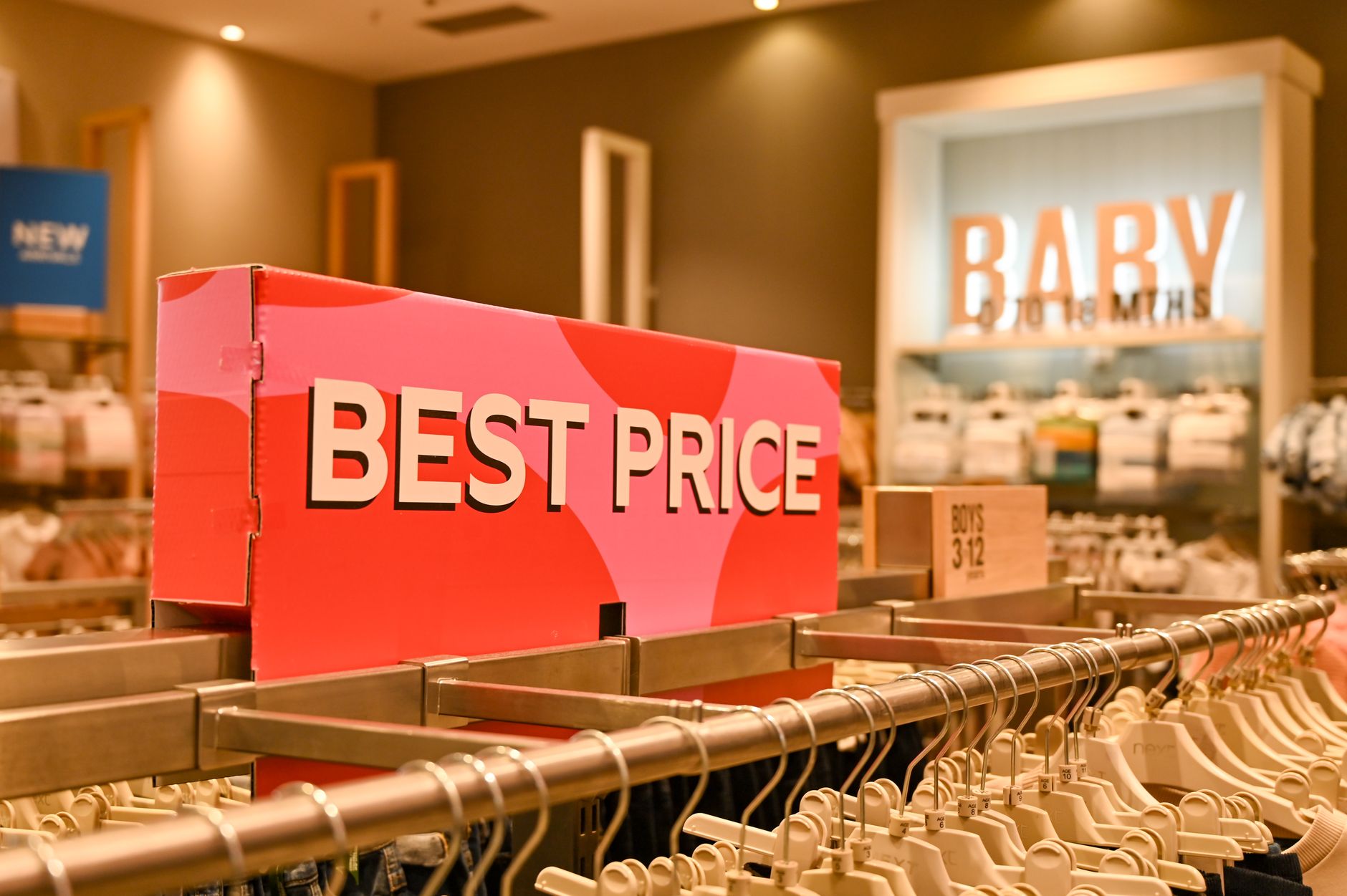
Baby food sales are expected to surge by 83% by October 2027, driven by the rise of quick-commerce platforms. This growth reflects changing consumer preferences and shopping habits in the retail-ecom sector.
Current trends in baby food sales
According to recent reports, the baby food sales market is experiencing a notable shift, driven by changing consumer preferences and the rise of quick-commerce platforms. As parents seek convenient and nutritious options for their infants, the demand for baby food is set to soar.
Some key trends influencing the growth of baby food sales include:
- Health-Conscious Choices: More parents are prioritizing organic and natural ingredients, pushing brands to adapt their offerings.
- Online Shopping Boom: The convenience of purchasing baby food through quick-commerce platforms is transforming the retail landscape, making it easier for parents to access a variety of products.
- Diverse Product Range: Companies are expanding their product lines to include options catering to various dietary needs, including allergen-free and vegan baby food.
- Focus on Convenience: Ready-to-eat and easy-to-prepare meals are increasingly appealing to busy parents, further boosting baby food sales.
These trends indicate a robust future for the baby food market, with an anticipated growth of 83% by 2027.
Impact of quick-commerce on retail
The rapid evolution of quick-commerce is significantly influencing the retail landscape, particularly in the baby food sales sector. As consumers increasingly turn to online platforms for their shopping needs, the convenience and speed offered by quick-commerce services are reshaping purchasing behaviors.
This shift is largely driven by the changing dynamics of family life, where time constraints often lead parents to seek efficient solutions for their shopping requirements. Quick-commerce platforms enable parents to access a wide variety of baby food options without leaving their homes, providing a seamless shopping experience that traditional retail cannot match.
Moreover, the projected growth of baby food sales on these platforms is indicative of a broader trend towards online grocery shopping. According to industry experts, the surge in demand for baby food products is expected to reach an impressive 83% by 2027, highlighting the pivotal role that quick-commerce will play in this sector.
As retailers adapt to these changes, they must prioritize digital strategies to enhance their offerings and meet the evolving expectations of modern parents.
Future projections for e-commerce
The future of baby food sales, particularly in the e-commerce sector, appears to be exceptionally promising. Recent reports indicate that the growth of baby food sales on quick-commerce platforms is projected to reach an impressive 83% by October 2027. This remarkable trend is attributed to several key factors.
First and foremost, the convenience of online shopping has transformed consumer behavior, with parents increasingly opting for quick-access solutions to meet their infant’s nutritional needs. Moreover, the rise of subscription services has made it easier for families to receive regular deliveries of baby food, eliminating the need for frequent trips to the store.
Another contributing factor is the growing awareness of the importance of high-quality ingredients in baby food. Parents are becoming more discerning about product choices, leading to increased demand for organic and nutritious options available online.
As e-commerce continues to evolve, baby food brands are likely to focus their efforts on enhancing online presence and optimizing supply chains to meet the growing demand in the digital marketplace.
Consumer preferences in baby food
As baby food sales continue to rise, consumer preferences are evolving rapidly, reflecting a growing demand for healthier and more convenient options. Parents are increasingly opting for organic and natural ingredients, prioritizing quality over price. In addition, there is a notable shift towards plant-based baby food products, driven by rising awareness of nutrition and wellness.
Another significant trend is the preference for ready-to-eat options, which cater to the busy lifestyles of modern families. Quick-commerce platforms are capitalizing on this trend by offering a wide variety of baby food products that can be delivered within hours, making it easier for parents to access nutritious meals for their little ones.
Furthermore, the rise of innovative packaging solutions, such as pouches and easy-to-use containers, has enhanced the appeal of baby food, making it more convenient for on-the-go feeding. In summary, consumer preferences in baby food are shaping the market, driving growth and influencing the types of products that companies are introducing to meet the increasing demand.
Photo by Vladimir Srajber on Pexels
Where this came from
2026 Tax Rules: Maximize Year-End Giving with Proven Tips · Sasquatch Resources Acquisition: A Smart Move for Growth · Nvidia AI national champions: Right Move for US Economy