Stock Market News: What’s the Worst Impact of Yields?
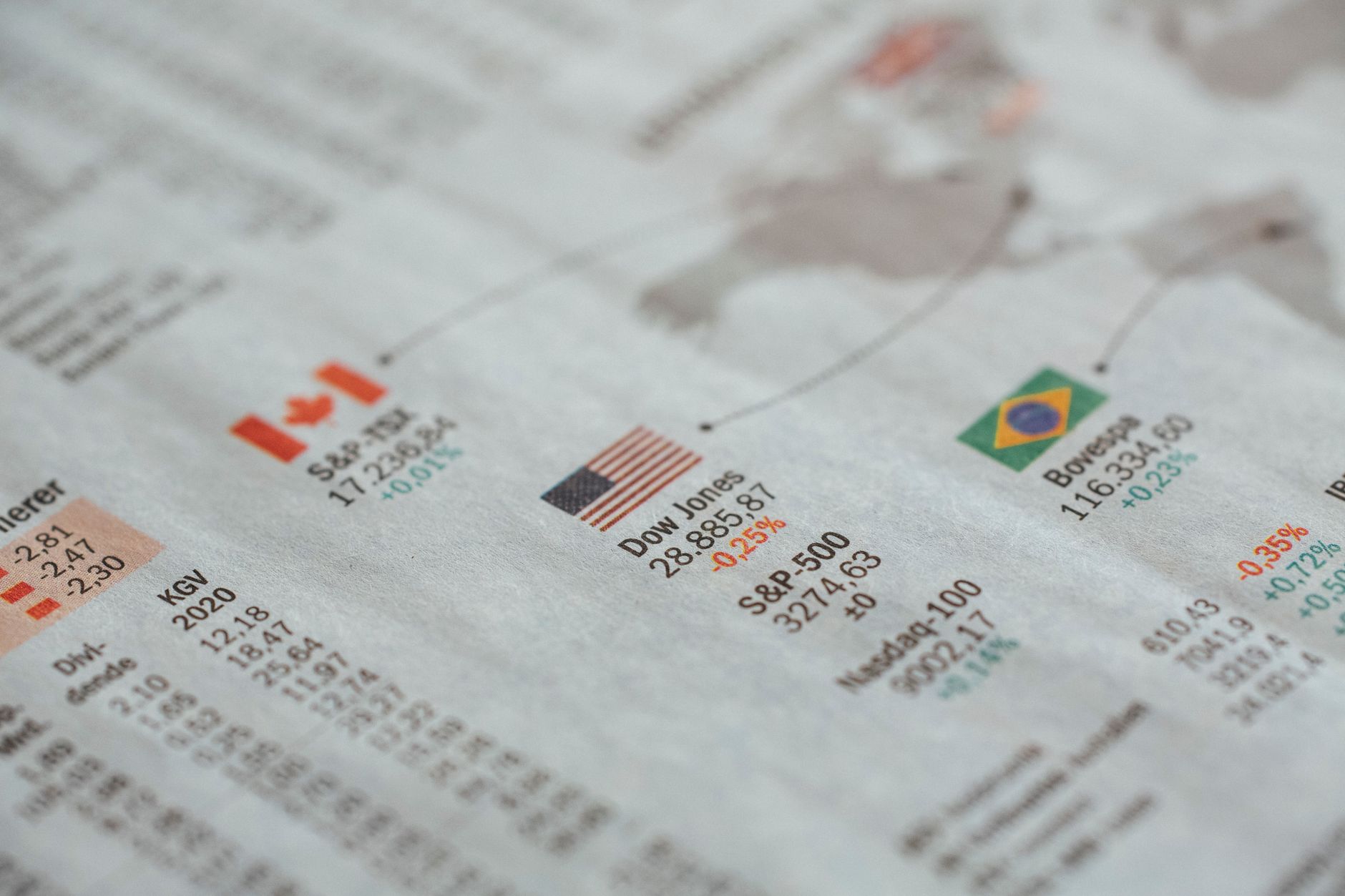
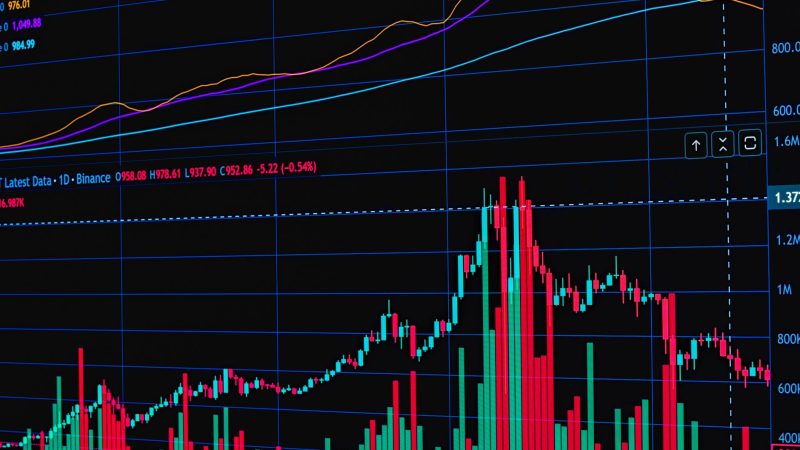
Stock market news today highlights how the Dow, S&P 500, and Nasdaq have turned lower amid rising bond yields and significant corporate changes.
Market Overview: Key Indices Drop
In the latest stock market news, major indices have experienced a significant downturn as investor sentiment shifts. The Dow Jones Industrial Average, S&P 500, and Nasdaq all closed lower, reflecting concerns over rising bond yields. Analysts suggest that the increase in yields has put pressure on equities, prompting a reevaluation of growth expectations.
Key factors contributing to this decline include:
- Rising Bond Yields: Higher yields typically signal increased borrowing costs, which can dampen corporate profits.
- Investor Sentiment: Uncertainty surrounding inflation and economic growth continues to weigh on market performance.
- Corporate Changes: The resignation of industry leaders, such as Jensen Huang from Nvidia, adds to the volatility.
As the stock market grapples with these challenges, many investors are closely monitoring developments that could influence future trends.
Impact of Rising Bond Yields
The recent surge in bond yields has raised concerns among investors, leading to a notable impact on stock market news. As yields increase, borrowing costs for companies rise, which can squeeze profit margins and dampen growth prospects.
Analysts are particularly worried about the following consequences:
- Increased borrowing costs: Higher yields mean higher interest rates, making it more expensive for businesses to finance operations and expansions.
- Investor sentiment: Rising yields can lead to a shift in investor preferences, causing a sell-off in stocks as traders seek safer, fixed-income investments.
- Valuation pressures: As bond yields rise, the present value of future cash flows decreases, leading to lower valuations for stocks.
Overall, the impact of rising bond yields is creating uncertainty, prompting many to closely monitor stock market news for further developments.
Nvidia’s Leadership Change Explained
Nvidia, a leader in the semiconductor industry, has recently announced a significant leadership change that has caught the attention of investors. Jensen Huang, the company’s co-founder and CEO, has decided to resign, raising questions about the future direction of the company amidst fluctuating stock market news.
As bond yields rise, many investors are concerned about the impact on tech stocks, including Nvidia. Huang’s departure comes at a time when the stock market is already facing challenges, with key indices like the Dow and S&P 500 turning lower.
The company has not yet named a successor, leading to increased uncertainty among stakeholders. Analysts suggest that the leadership transition could influence Nvidia’s ability to navigate the competitive landscape and adapt to changing market conditions in the wake of rising yields.
- Huang’s leadership was pivotal in driving innovation.
- Investors are monitoring the situation closely.
- Nvidia’s future strategy remains unclear.
What Investors Should Watch
As the stock market reacts to recent events, investors should closely monitor several key factors that could influence market dynamics. First and foremost, the trajectory of bond yields will be pivotal, as rising yields often correlate with declining stock valuations. Secondly, corporate earnings reports will provide insights into how companies are adapting to current economic conditions.
Additionally, investors should pay attention to geopolitical developments and economic indicators, such as inflation rates and employment statistics, which can impact overall market sentiment.
Lastly, keeping an eye on the technology sector, particularly following Nvidia’s leadership change, will be crucial for understanding potential shifts in innovation and market direction. In this evolving landscape, staying informed through reliable stock market news will be essential for making strategic investment decisions.
Economic Indicators to Monitor
As investors navigate the latest stock market news, it is crucial to keep an eye on several economic indicators that may influence market trends. Here are key indicators to monitor:
- Interest Rates: Changes in interest rates can have a profound impact on borrowing costs and consumer spending.
- Inflation Rates: Rising inflation can lead to increased bond yields, affecting stock valuations.
- Unemployment Rates: A decline in unemployment can signal economic growth, while rising rates may indicate economic stress.
- Consumer Confidence Index: This metric reflects consumer optimism, which can drive spending and investment.
- Gross Domestic Product (GDP): GDP growth rates provide insight into the overall health of the economy.
Staying informed about these indicators can help investors make more strategic decisions in a volatile market.
Expert Opinions on Current Trends
Experts in the financial sector are closely analyzing the latest stock market news, particularly the implications of rising bond yields. Many believe that the increase in yields is causing a ripple effect across various sectors.
According to Dr. Emily Carter, an economist at the Financial Institute, “The current trends indicate that investors are becoming more cautious, which could lead to increased volatility in the stock market.”
Furthermore, Mark Johnson, a market analyst, emphasizes that “As bond yields rise, equities may face pressure as investors shift their preferences towards safer assets.”
In contrast, Lisa Chen, a portfolio manager, suggests that “Long-term growth stocks could still perform well if they demonstrate strong fundamentals and adaptability.”
These diverse perspectives highlight the complexities of navigating today’s market environment amid rising yields and changing investor sentiment.
Future Predictions for the Stock Market
As investors navigate the current volatility in the stock market, future predictions remain uncertain. Analysts anticipate that rising bond yields could continue to exert downward pressure on key indices, influencing investor sentiment and decision-making. Market experts suggest that sectors traditionally seen as safe havens may attract more attention, as risk-averse investors seek stability amidst fluctuating yields.
Additionally, the anticipated economic indicators, including inflation rates and employment figures, will play a critical role in shaping future stock market trends. Investors are advised to keep a close watch on these developments, as they could significantly impact market directions.
Overall, the stock market news indicates a cautious outlook, with many experts urging a balanced approach to investment strategies in light of the evolving landscape.
Photo by Markus Spiske on Pexels