Strengthening Private and Public Cybersecurity Through Collaboration
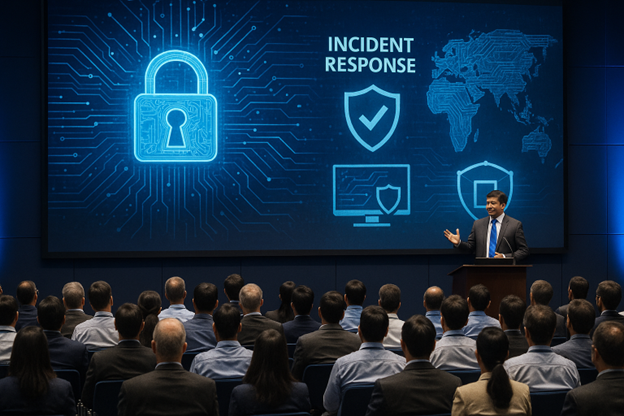
Cybersecurity is a national imperative in the digital era, an IT issue that is no longer a mere issue. The Philippines is going through a crucial stage of digital transformation, and this has been a major challenge to the country, not only to ensure that public institutions are safe, but also to the businesses they have. To overcome this task, the government and the non-governmental organizations must work together on cybersecurity through a public-private partnership that includes government agencies, non-governmental organizations, and industry experts.
Through such public private cybersecurity collaborations, the country can establish a strong cybersecurity infrastructural system that will protect sensitive data, critical infrastructure, and economic viability.
The Growing Importance of Cybersecurity in the Philippines
The work of the Philippines on cybersecurity has increased in intensity in recent years, and most recently, the release of the National Cybersecurity Plan (NCSP) 2023–2028 has taken place. The framework of this defense aims at developing robust cyber defenses, understanding, and regulatory compliance with the intention of ensuring that individuals and industries are well equipped to handle any threats.
The government bodies are leading the pack in the effort that may assist in strengthening the digital resiliency in the nation and enable cooperation with the private players, among them the Department of Information and Communications Technology (DICT) and the Cybersecurity Council of the Philippines.
Bridging the Gap Between Public and Private Sectors
Considering cybersecurity threats, there is no separation of organizational borders. Any attack on an institution or utility provider supplying financial services can have an extensive effect on the economy, the security of the country, and the delivery of the services to the citizens. It is, thus, essential to make sure that the private and the public work in tandem with each other. A cybersecurity partnership between professionals and government entities is possible, to share information, coordinate their efforts, and provide cybersecurity training.
Combined efforts by the government agencies, enterprises, and cybersecurity experts provide a knowledge base of sharing, creativity, and interdependent protection. This is also the same cooperation in the establishment of a consistent approach to dealing with risks and cyber governance that are very crucial in determining the safety of confidential information and the assurance of the citizens.
The Role of Cybersecurity Governance in Driving Collaboration
A good cybersecurity does not only need technical solutions but also governance. According to
cybersecurity governance Philippines experts, there is a necessity for a holistic policy, risk management systems, and well-defined roles and responsibilities of all parties involved. Government policies make sure that control over security is organized in accordance to the national laws, including the Data Privacy Act, and are regularly used throughout industries.
Accountability and constant improvement are also made possible through governance. Through such monitoring of security performance and compliance, government bodies and organizations will be able to find their weak spots, embrace best practices, and evolve in response to new threats. Experts emphasize that a governance-oriented strategy enhances the basis of collaboration between the population and the privatized cybersecurity, and the partnership is more effective and strategic.
Leveraging Technology for Collaborative Defense
One of the foundation blocks of the modern cybersecurity cooperation is technology. Networks are being monitored more frequently with the use of artificial intelligence, machine learning, and more advanced analytics to detect anomalies and react to threats in real-time. With such tools incorporated in both the public and the private systems, it will be easier to share intelligence and organize defenses without any interruption among the organizations.
Cloud platforms and regional Security Operations Centers (SOCs) are also critical. These homesteads ensure real-time tracking, reporting on the incident, and threat detection to enable both sectors to have situational awareness and proactively act on the attack. Through technology, a public-private cybersecurity partnership will be dynamic and scalable, and keep up with the current threat environment.
Case Studies of Effective Collaboration
There are some successful cases in the Philippines that show how joint cybersecurity efforts can be successful. As an example, collaboration between state agencies and commercial banks has resulted in the increased exchange of threat intelligence, which contributes to the prevention of financial fraud and ransomware attacks. On the same note, joint cyber exercises and hackathons by national cybersecurity councils have enhanced the preparedness of operators of critical infrastructure, such as those operating in energy, telecommunications, and health sectors.
Participants in forums emphasize that these alliances not only enhance technical defenses but also create a culture of joint accountability. When organizations realize that cybersecurity is a communal initiative, the resilience of the entire nation is enhanced to a great extent.
The Benefits of Sustained Collaboration
The long-term history of public-private cybersecurity cooperation has various advantages:
- Enhanced Threat Detection – Inter-sector intelligence sharing yields better threat detection speed and accuracy.
- Coordinated Incident Response – Cooperation between different agencies allows responding to cyber attacks and mitigating them in a fast way.
- Standardized Security Practices – Standardized security practices are joint and formulated governance frameworks that establish consistent security practices across industries.
- Knowledge Sharing and Training – Routine contacts and training help to develop a skilled cybersecurity workforce.
- Policy Influence and Innovation – Public-private partnerships train official cybersecurity policies at the national level and assist in the development of innovative solutions.
By institutionalizing the collaboration, the Philippines will manage to develop a healthy cybersecurity ecosystem that can resist the newcomers and ensure trust and economic stability.
Conclusion
The need to have a strong cooperation between the governmental entities and the non-governmental entities in the era where globalization of cyber threats is more imminent than ever before has gained significance. The public private cybersecurity collaboration is the most effective solution to the security of the national interests, critical infrastructure, and sensitive information. Such alliances can create a robust, secure, and adaptive digital world through the assistance of the Cybersecurity governance Philippines professionals.
PhilSec, as the premier cybersecurity conference in the Philippines, can facilitate these partnerships through strategic endeavors and collaboration in the industry through expert panels, interactive workshops, and networking events, to bring together the masses of the agencies, business enterprises, and practitioners of cybersecurity. The stakeholders are informed, adopt the best practices, and create the national cyber defense through the services they offer.